
Why Travelers and Global Professionals Use VoIP Apps
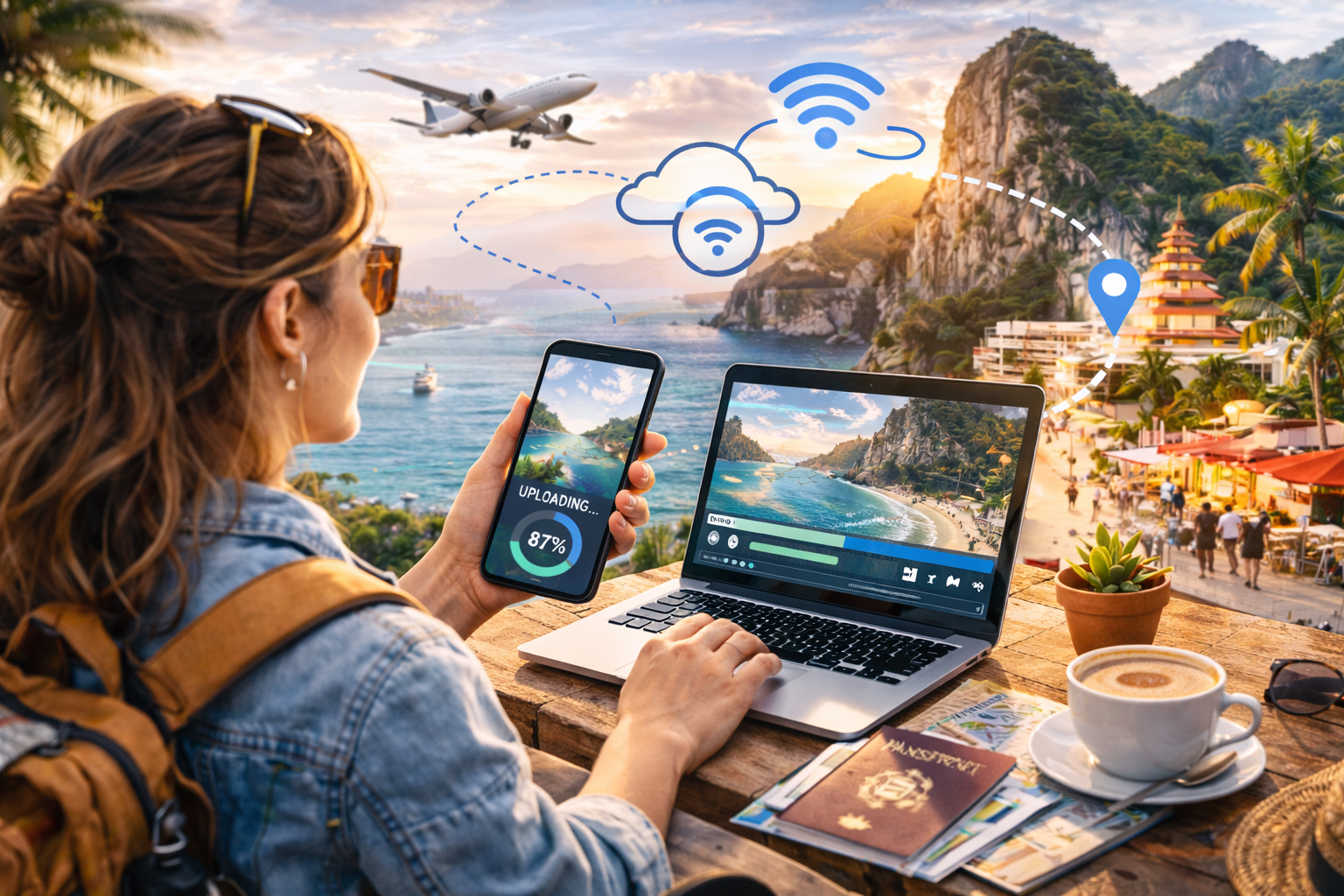
International travel has changed dramatically over the last decade. Travelers now expect reliable data, affordable connectivity, and the ability to stay reachable anywhere in the world without dealing with expensive roaming charges or juggling multiple local phone numbers. While eSIMs and international SIM cards solve much of the connectivity problem, voice communication still creates challenges for many travelers.
That is where the OneSim VoIP App becomes an important part of the travel toolkit.
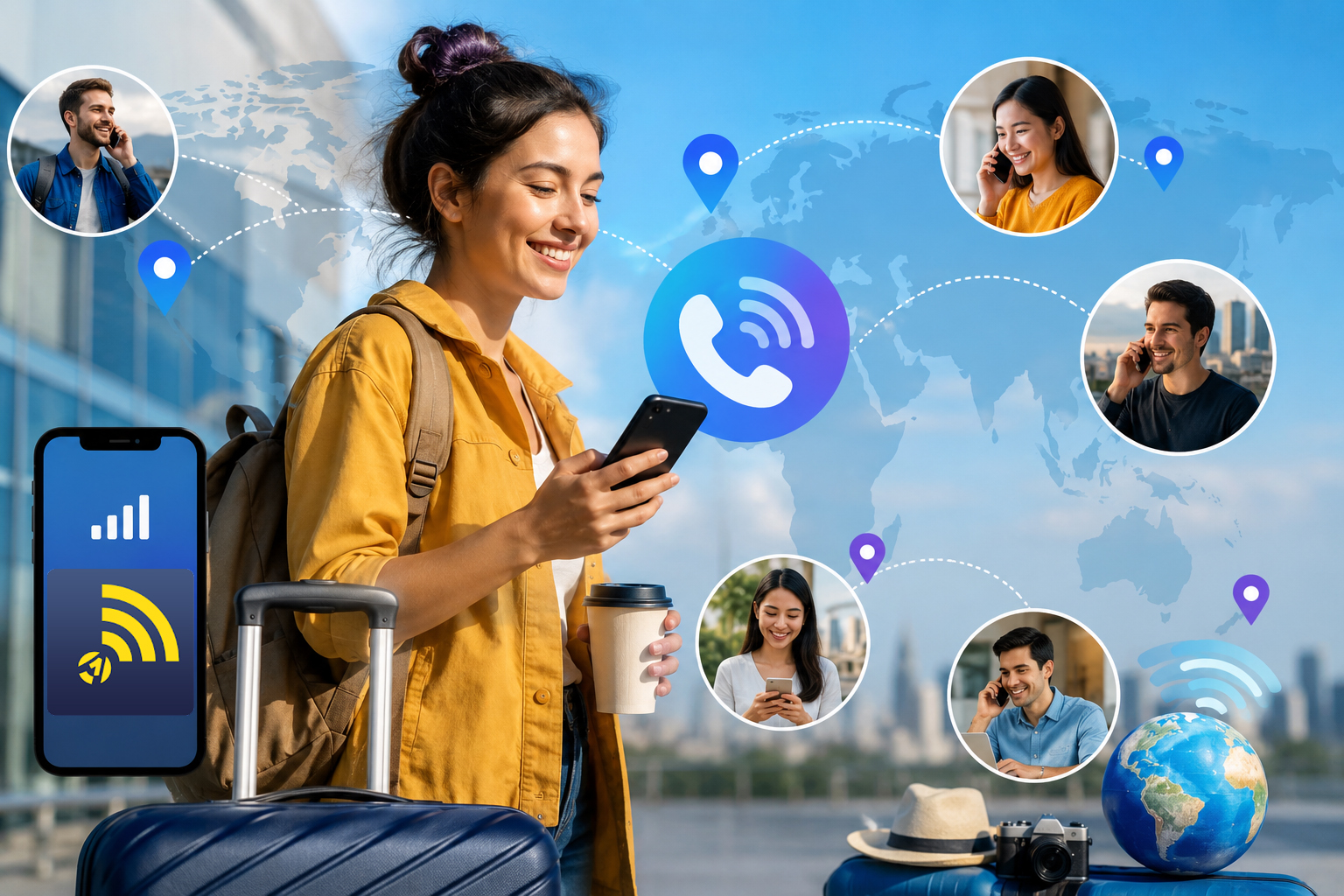
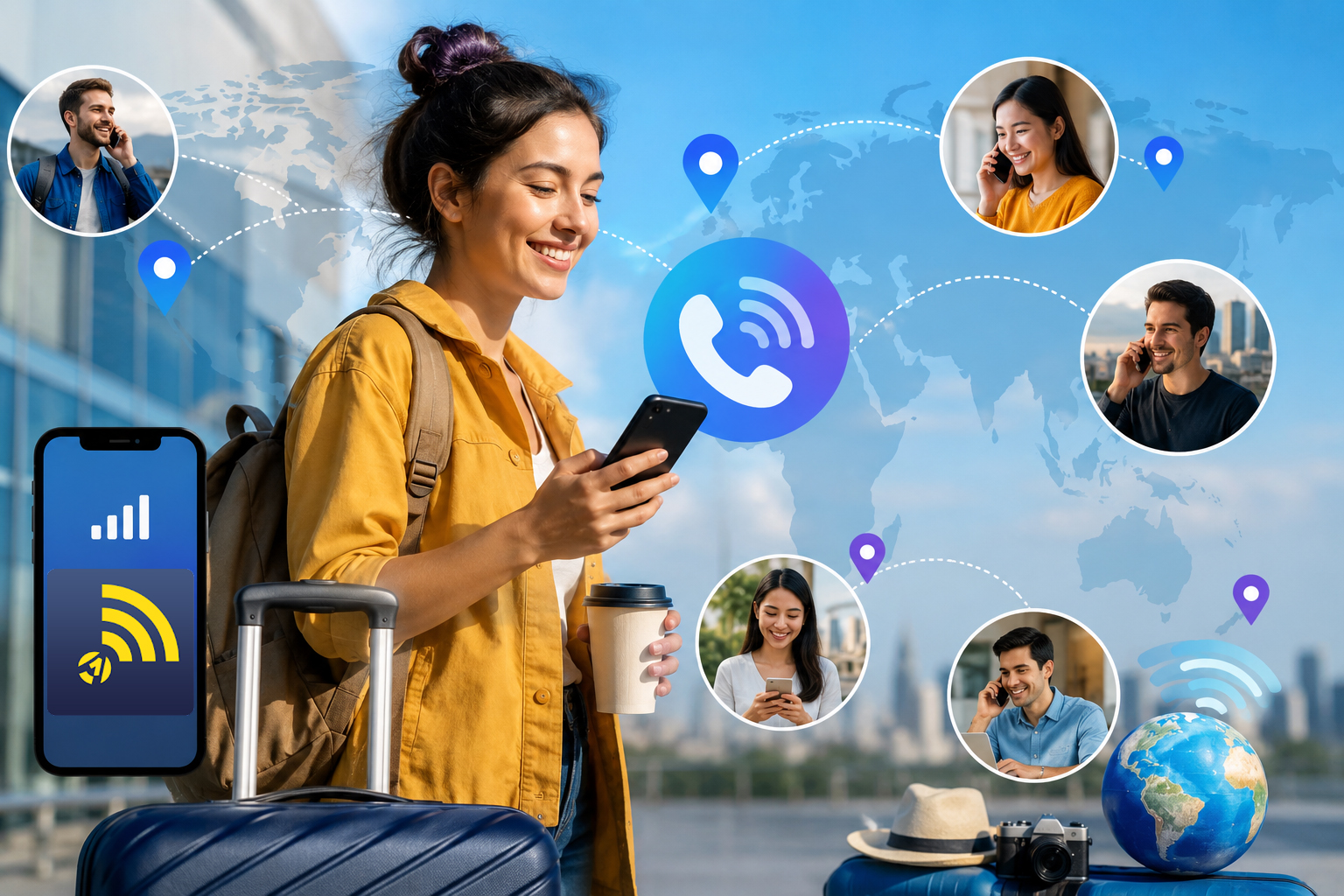
The OneSim VoIP App allows users to make and receive calls and messages using internet connectivity instead of relying entirely on traditional cellular voice networks. Whether connected through WiFi, hotel internet, airport hotspots, or mobile data from a OneSimCard eSIM or SIM card, the app helps travelers maintain affordable global communication almost anywhere.
Avoid Expensive International Roaming
Traditional carrier roaming rates can become surprisingly expensive, especially for voice calls. Even short international conversations may generate significant charges when using a home carrier abroad.
The OneSim VoIP App helps reduce those costs by routing calls over an internet connection. Instead of paying international roaming voice rates, users can often place calls at much lower costs while keeping communication simple and familiar.
For frequent travelers, digital nomads, remote workers, and international business teams, this creates a far more predictable and affordable communication experience.
Stay Reachable Worldwide
One major advantage of the OneSim VoIP App is flexibility. Travelers are no longer dependent on finding a local SIM card in every country they visit.
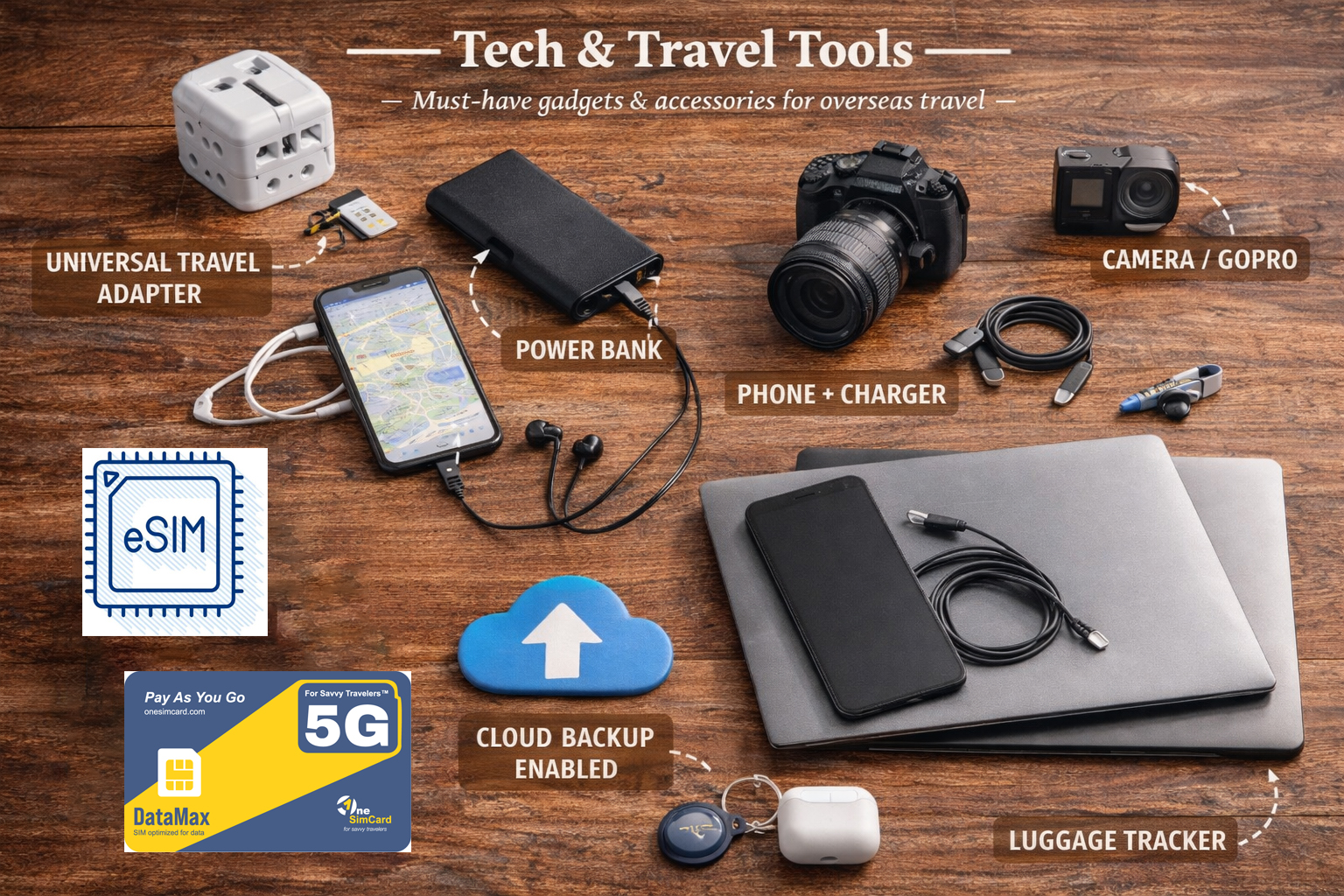
A traveler using a OneSimCard DataMax eSIM can land in a new country, activate data instantly, and continue using the VoIP App for communication without interruption. This is especially valuable for multi-country trips where changing SIM cards repeatedly becomes frustrating and time consuming.
The app works well for:
- International travelers
- Business travelers
- Students studying abroad
- Cruise passengers
- Remote workers
- Global sales teams
- Expats and long-term travelers
Instead of constantly notifying friends, family, or clients about temporary foreign numbers, users can maintain consistent communication channels while traveling internationally.
How OneSim VoIP Compares to Other VoIP Apps
Many travelers already use apps such as WhatsApp, Skype, Telegram, or Viber for communication. While those apps are useful, they often work best only when both parties have the same application installed.
The OneSim VoIP App offers an important advantage for travelers because users can call standard landline and mobile phone numbers worldwide. This means you can contact:
- Hotels
- Airlines
- Restaurants
- Taxi drivers
- Clients
- Family members
- Banks and customer support centers
…without requiring the other person to download or install a specific app.
That difference becomes extremely important while traveling internationally. If your hotel in Tokyo, your driver in Rome, or your tour operator in Bangkok only has a regular phone number, app-to-app messaging services may not help much. The OneSim VoIP App behaves more like a traditional phone service layered on top of internet connectivity.
Compared to Voice + SMS eSIM Providers
Some modern travel eSIM providers now advertise “voice and SMS included” plans. While convenient in some situations, these offerings often come with limitations:
- Temporary local phone numbers
- Country-specific restrictions
- Limited roaming regions
- Higher package costs
- Voice minutes that expire quickly
- Separate plans required for different regions
Using a global data eSIM together with the OneSim VoIP App creates a more flexible setup. Instead of depending on region-specific voice plans, travelers can use reliable data connectivity almost anywhere and place calls through the app when needed.
This approach is especially useful for travelers visiting multiple countries during one trip because they do not need to repeatedly change voice plans or manage multiple temporary numbers.
Perfect Companion for eSIM Travel
Modern travelers increasingly rely on eSIM technology because it eliminates the need for physical SIM swaps. Pairing a global eSIM with the OneSim VoIP App creates a powerful travel communication setup.
Using mobile data through an international eSIM while routing voice communication through VoIP gives travelers:
- Lower communication costs
- Fast activation
- Multi-country coverage
- Greater flexibility
- Reduced roaming dependency
- The ability to call real phone numbers worldwide
For many travelers, this combination replaces the need for expensive international roaming plans entirely.
A Smarter Way to Communicate Abroad
Global connectivity is no longer just about having internet access. Travelers also need reliable and affordable voice communication that works across borders.
The OneSim VoIP App helps bridge that gap by giving users a flexible communication solution that works alongside international eSIMs and SIM cards.
Whether traveling for business, adventure, or long-term international living, combining global data connectivity with internet-based voice communication creates a simpler and more cost-effective way to stay connected worldwide.